Why Dental Crowns Los Angeles CA Are Popular for Smile Restoration


A dental crown sits at an interesting crossroads in modern dentistry. It is both practical and cosmetic, both protective and transformative. That combination helps explain why so many patients seeking smile restoration ask about crowns early in the process, especially in a place like Los Angeles, where appearance, comfort, and long-term function all tend to matter at the same time.
When people search for Dental Crowns Los Angeles CA, they are rarely looking for a single, simple fix. More often, they are dealing with a layered problem. A tooth may be cracked after years of grinding. An old filling may have grown too large to support the remaining tooth. A front tooth may be discolored after trauma. Someone may have completed a root canal and now needs to protect the tooth from fracture. Another patient may simply be tired of hiding one damaged tooth in every photo.
Crowns appeal to all of these situations because they do not just mask a problem. In many cases, they rebuild a tooth so it can function normally again while also improving how it looks. That matters in any city, but Los Angeles tends to amplify the demand. Patients often want restorative work that holds up under close scrutiny, feels natural when they speak, and blends into an already healthy-looking smile.
Why crowns solve more than one problem at once
A crown is essentially a custom-made cap that covers a prepared tooth. That sounds simple, but the clinical value is significant. A properly designed crown can restore shape, reinforce weakened tooth structure, improve bite alignment in certain cases, and correct visible damage or discoloration. Few dental treatments do all of that in one restoration.
That versatility is the main reason crowns remain so popular. Veneers are excellent for specific cosmetic concerns, but they are not meant to rebuild heavily damaged teeth. Fillings work well when damage is limited, but they have clear limits when a tooth has lost too much structure. Bonding can look attractive for smaller chips, though it is generally not the first choice for teeth that take heavy chewing force. A crown occupies the middle ground between preservation and reconstruction. It lets a dentist save a tooth that might otherwise continue to break down.
In day-to-day practice, this becomes very real. A patient comes in with a molar that has a large old silver filling and a hairline crack running down one side. It does not look dramatic from across the room, yet every time that person chews on something firm, the tooth flexes. Left alone, it may fracture further and become much harder to save. A crown can stabilize the tooth, redistribute pressure, and prevent a manageable problem from turning into an extraction.
That practical value often outweighs the cosmetic improvement, but the cosmetic improvement is still a major reason people choose treatment. Once the crown is in place, the tooth usually looks healthier, smoother, and more symmetrical. For front teeth especially, that change can be striking.
Los Angeles patients often want restoration without a “dental” look
There is a particular concern many patients voice in image-conscious cities. They do not just want the tooth fixed. They want it fixed in a way that no one notices. That is where crown design has changed dramatically over the years.
Older crowns, especially those with visible metal margins, could sometimes create a flat or opaque appearance. Modern all-ceramic and porcelain-based options can be much more lifelike. They can reflect light more like natural enamel, show subtle translucency near the edge, and be customized to match neighboring teeth. Shade is only one part of the equation. Shape, surface texture, contour, and how the crown meets the gumline matter just as much.
Los Angeles patients often arrive with strong visual awareness. Some work in entertainment, media, sales, law, hospitality, or real estate. Others simply spend a lot of time on camera, in meetings, or in social settings where appearance affects confidence. They tend to notice details, and they expect their dentist to notice them too. A crown on a front tooth that is one shade too bright or one millimeter too bulky can bother a patient every time they look in the mirror.
That does not mean crowns are a vanity procedure. It means restorative dentistry and aesthetic dentistry overlap. In a city where people place value on polished presentation, a restoration that looks natural is not a luxury. It is part of doing the job well.
Smile restoration is not always about beauty
The phrase “smile restoration” can sound cosmetic, but many crown cases start with discomfort or dysfunction. A person may avoid chewing on one side because a broken tooth feels unstable. Someone with severe wear may notice their front teeth look shorter every year. A patient who clenches at night may chip the edges of natural teeth and old dental work repeatedly. Over time, these problems affect speech, eating, jaw comfort, and self-confidence.
Crowns become popular in this setting because they restore normalcy. People often underestimate how much they have adapted to a failing tooth until it is repaired. After treatment, they realize they no longer have to cut food into tiny pieces, avoid cold drinks on one side, or smile with closed lips in group photos. The psychological relief can be as meaningful as the physical repair.
I have seen cases where one well-planned crown changed a patient’s behavior almost overnight. A damaged upper front tooth had become the focal point of every conversation in that person’s mind, even if other people barely noticed it. Once restored, the patient’s speech relaxed, their smile widened, and they stopped positioning their hand in front of their mouth while laughing. That is not superficial. That is quality of life.
The common situations where crowns make sense
Crowns are popular because they fit a wide range of restorative needs without feeling like a last resort. The most common reasons dentists recommend them include:
- A tooth is cracked, heavily filled, or structurally weakened and needs reinforcement.
- A tooth has had root canal treatment and is more vulnerable to fracture afterward.
- A tooth is badly worn, misshapen, or discolored in a way that simpler cosmetic options will not adequately correct.
- A dental implant needs a final visible restoration that looks and functions like a natural tooth.
- A bridge requires crowns on neighboring teeth for support.
Even here, judgment matters. Not every damaged tooth requires a crown. Conservative dentists usually prefer to preserve as much natural tooth as possible. If a smaller restoration can predictably solve the problem, that is often the better route. The popularity of crowns should not be confused with overuse. Their value comes from choosing them when the amount of damage, stress, or previous dental work makes a full-coverage restoration the more durable choice.
Materials matter, and patients in Los Angeles often ask about them
One reason crowns remain so widely accepted is that patients now have better material choices than they did years ago. The best material depends on tooth location, bite force, cosmetic goals, and the amount of clearance available between upper and lower teeth.
Porcelain and ceramic crowns remain popular for visible teeth because they can mimic natural enamel very well. Zirconia has gained attention for its strength and, depending on the formulation, can also deliver good aesthetics. Porcelain-fused-to-metal crowns still have a place in some cases, especially when strength and fit are important, though patients seeking highly cosmetic results in the smile zone often prefer metal-free options.
The choice is rarely one-size-fits-all. A crown on a back molar for someone who grinds heavily may call for a different material strategy than a crown on an upper lateral incisor in someone with a light bite and high cosmetic expectations. Good treatment planning accounts for both biology and lifestyle. A patient who drinks coffee throughout the day, clenches at night, and has a history of chipping restorations presents a very different set of demands than someone needing a crown after a sports injury.
That nuance is another reason searches for Dental Crowns Los Angeles CA are so common. Patients are not just asking, “Do I need a crown?” They are asking, “What kind of crown will look right, feel right, and last in my mouth?”
The convenience factor has become a major draw
Time matters in Los Angeles. Long commutes, packed schedules, production deadlines, travel, and family responsibilities all shape healthcare decisions. Crowns fit modern life better than they used to, largely because digital dentistry has streamlined parts of the process.
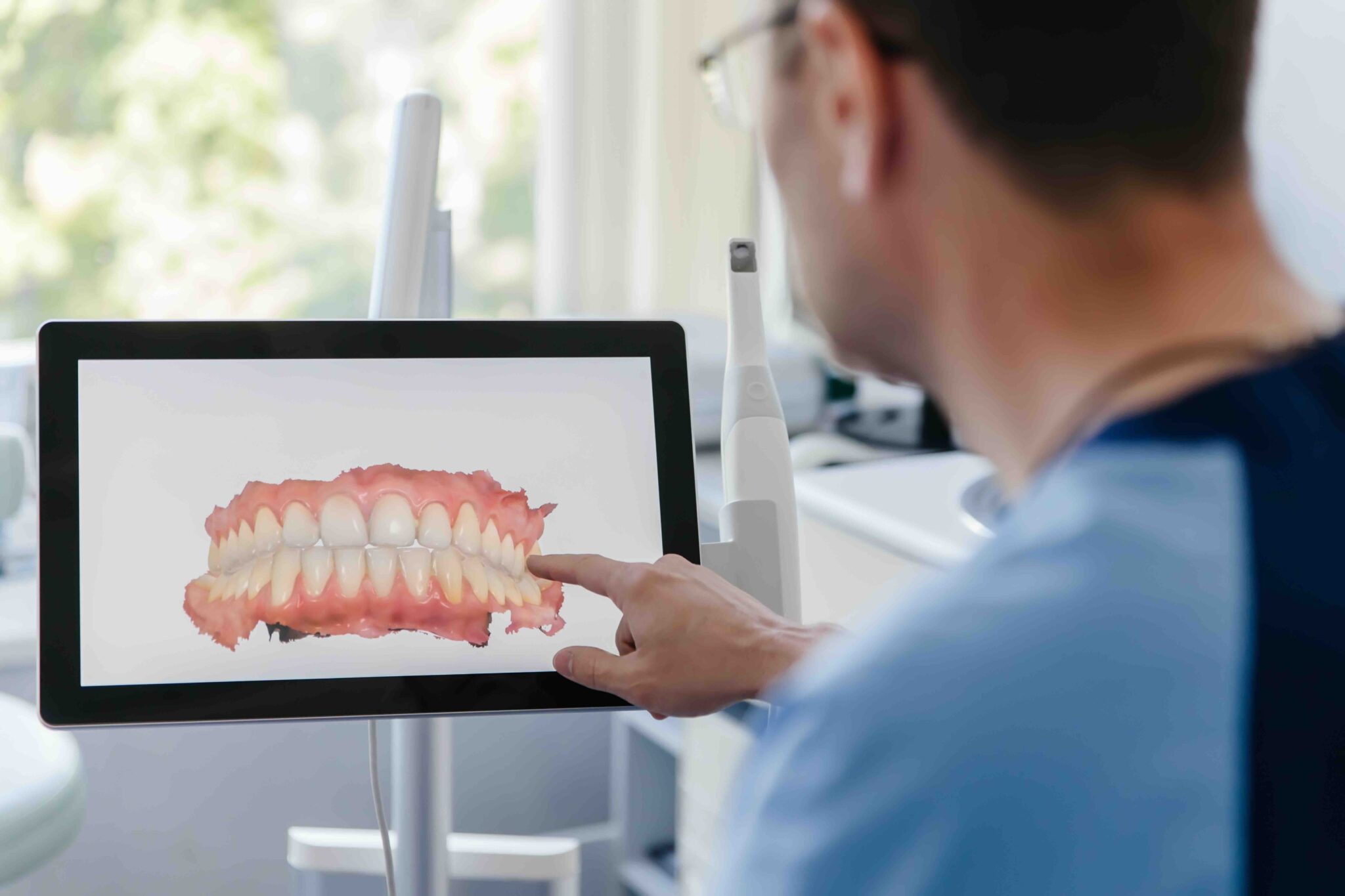
Many practices now use digital scanning instead of traditional impression material. For patients with a strong gag reflex, that alone is a major improvement. Digital workflows can also help with precision and communication, especially when a case involves detailed shade matching or coordination with a dental lab. Some offices offer same-day crowns with in-house milling systems. Those can be convenient, though they are not automatically the best choice for every case. More complex cosmetic cases may still benefit from a skilled laboratory technician’s custom layering and finishing.
Patients appreciate options. Someone restoring a back tooth before a trip may prioritize speed. Someone replacing a visible front crown may prefer a slightly longer timeline if it means better characterization and blending. The popularity of crowns comes partly from the fact that the treatment can be tailored to these preferences without sacrificing core function.
Crowns often preserve teeth that would otherwise deteriorate
One of the least glamorous but most important reasons crowns are so widely used is that they help patients keep their natural teeth longer. That may sound obvious, but it is worth emphasizing. A crown does not make a tooth indestructible, yet it can significantly extend the life of a compromised tooth when the underlying foundation is still sound.
The progression of damage is usually not linear. A small crack can remain stable for a while, then suddenly propagate. A tooth with a huge filling can function for years, then lose a cusp while chewing something ordinary like toast or almonds. Once too much structure is gone, the treatment options become more limited and more expensive. The shift from crown to extraction can happen faster than patients expect.
That is why dentists often recommend a crown before the tooth reaches a crisis point. From the patient’s perspective, it can feel frustrating to treat a tooth that is not yet painful. From a preventive standpoint, it often makes excellent sense. Waiting for pain is not a reliable strategy in restorative dentistry. Many teeth fail structurally before they become acutely symptomatic.
Cost, value, and the Los Angeles calculus
Cost always enters the conversation. Crowns are more expensive than fillings or bonding, and in Los Angeles fees can vary significantly based on location, dentist experience, material choice, laboratory quality, and whether additional treatment is needed first. A crown on a straightforward tooth is not the same as a crown on a tooth with subgingival decay, bite issues, or cosmetic demands that require more planning and customization.
Patients usually evaluate cost through one of two lenses. The first is immediate price. The second is long-term value. Crowns tend to fare well when discussed in terms of value, because they often prevent repeated patchwork repairs. Replacing a large filling every few years, managing cracks, and dealing with emergency breakage can become more expensive and disruptive than placing a crown at the right time.
Insurance can help, though coverage varies and rarely aligns perfectly with what is ideal from an aesthetic standpoint. Some plans cover a portion of a crown when it is medically necessary, but may not account for premium material upgrades or detailed cosmetic characterization. That gap between coverage and expectation is common in restorative dentistry, especially in markets where patients want high-end natural-looking work.
The better conversations around cost are honest ones. Not every patient needs the most premium option. Not every lower-cost option is a compromise. What matters is clarity about trade-offs. If a tooth is highly visible and the patient is particular about aesthetics, a more refined crown may be worth the extra investment. If the tooth is far in the back and takes heavy load, durability may matter more than subtle translucency.
Good crowns depend on planning, not just fabrication
Patients often think of the crown itself as the treatment. In reality, the preparation and planning usually determine success. A well-made crown placed on a poorly diagnosed tooth will not perform well. Similarly, a beautiful crown with a bite that is slightly off can create soreness, sensitivity, or fracture risk.
A strong crown case begins with the right diagnosis. Is the tooth restorable? How deep is the crack? Is the gum tissue healthy enough to support a clean margin? Does the patient grind or clench? Is there enough tooth structure left for retention? Is the discoloration internal, external, or linked to previous trauma? These questions change the treatment plan.
For smile-zone restorations, planning can become more detailed. Temporary crowns often serve as a preview and a test drive. They allow adjustments to shape, length, and speech before the final crown is made. This is particularly useful for patients who have very specific cosmetic goals or who are replacing one front tooth that has to match several natural neighbors. It is hard to overstate how much small refinements matter in those cases.
The limits of crowns deserve attention too
Crowns are popular, but they are not magic. They do not eliminate the need for hygiene, and they do not guarantee a tooth will last forever. The underlying tooth can still decay at the margin if plaque control is poor. Gum recession can expose edges over time. Root fractures can still occur, particularly in heavily compromised teeth. A crown can also fail if the bite is too simpledentalca.com Dental Crowns Los Angeles CA aggressive or if the patient treats teeth like tools.
There are also cases where a crown is not the ideal answer. A tooth with extensive vertical fracture may not be salvageable. A patient with active gum disease may need periodontal treatment first. A person with severe grinding may need a night guard to protect new work. Someone seeking purely cosmetic improvement on a healthy front tooth may be better served by more conservative options, depending on the case.
These limitations do not weaken the case for crowns. They clarify it. The best restorative dentistry is rarely about selling a single procedure. It is about matching the procedure to the tooth, the patient, and the likely future of both.
Aftercare is simple, but it matters
Once a crown is placed, maintenance is usually straightforward. Most patients do well when they treat the crowned tooth like a natural tooth, with a little more awareness around hygiene and habits.
A few practical habits make a meaningful difference:
- Brush carefully along the gumline and floss consistently to reduce decay risk around the crown margin.
- Use a night guard if you clench or grind, especially if you have chipped teeth or previous restorations.
- Avoid chewing ice, opening packages with your teeth, or biting directly into very hard foods if your dentist has warned you about fracture risk. Dental Crowns Los Angeles CA
- Keep recall visits and X-rays on schedule so small issues can be caught early.
- Mention any bite discomfort quickly, because minor adjustments are easier before a problem escalates.
Most crown failures I have seen did not come from mysterious causes. They came from predictable issues: untreated grinding, delayed follow-up, recurrent decay around neglected margins, or a tooth that was already carrying more structural risk than the patient realized. Good habits do not make a crown permanent, but they substantially improve the odds of a long, uneventful lifespan.
Why demand remains high in Los Angeles
The popularity of Dental Crowns Los Angeles CA comes down to a combination of needs that crowns address unusually well. People want to keep their natural teeth. They want restorations that look believable. They want procedures that justify their cost over time. They want treatment that fits into packed schedules. Crowns satisfy all of those goals better than many alternatives when a tooth is too damaged for a simple filling and too valuable to lose.
Los Angeles also has a patient population that is often educated, observant, and motivated. These patients tend to research materials, ask to see photos, compare options, and care about details like translucency, gumline harmony, and how a tooth will look under bright light. That scrutiny has pushed many practices to refine their aesthetic and digital workflows, which in turn has made crowns even more appealing to the next wave of patients.
At the same time, the reasons remain deeply human and surprisingly modest. People want to chew comfortably. They want to stop worrying that a cracked tooth will break during dinner. They want to smile in photographs without mentally editing one dark or damaged tooth out of the frame. They want dental work that does not announce itself.
That is why crowns continue to hold such a strong place in smile restoration. When they are chosen carefully and executed well, they do not merely cover a tooth. They restore confidence, stability, and everyday ease in a way patients can feel immediately and appreciate for years.
Simple Dental Vermont
Address: 8914 S Vermont Ave, Los Angeles, CA 90044
Phone number: +13239493000
FAQ About Dental Crowns Los Angeles CA
How much do crowns cost per tooth?
In the United States, a single dental crown typically costs between $800 and $2,500 per tooth without insurance. The ultimate out-of-pocket price depends heavily on the crown material, the location of the tooth, and whether you have dental insurance coverage.
What is the downside of crowns on teeth?
The primary downside of a dental crown is that the procedure permanently removes natural tooth enamel to shape the tooth for the cap.
Why do dentists push for crowns?
Dentists recommend crowns because a large filling cannot provide enough strength when a tooth loses a major portion of its structure or faces heavy chewing pressure.