Dental Crowns Los Angeles CA: Treatment Options Explained

A dental crown is one of those treatments people often hear about long before they understand what it actually does. Patients usually come in saying they were told they “need a crown,” but they are not always sure whether that means a serious problem, a cosmetic improvement, or simply the next step after a filling or root canal. In practice, it can be any of those things.
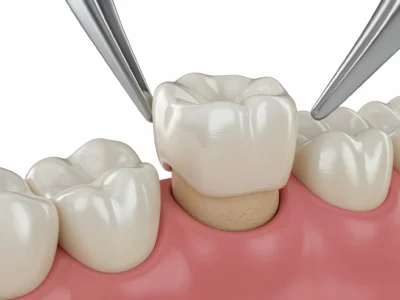
When dentists talk about crowns, they mean a custom-made covering that fits over a damaged, weakened, or heavily restored tooth. Its job is straightforward, protect the remaining tooth structure, restore function, and bring the shape back to something that feels and looks normal. In a city as appearance-conscious and fast-moving as Los Angeles, crowns often carry a second expectation as well. People want strength, but they also want a result that blends in when they smile, speak, or appear on camera.
That mix of Dental Crowns Los Angeles CA function and aesthetics makes treatment planning more nuanced than many expect. Dental Crowns Los Angeles CA is not just a search phrase people type into Google. It reflects a real concern about finding the right material, the right dentist, and the right approach for a tooth that may have to last for many years under daily chewing pressure.
Why crowns are recommended in the first place
A crown is not the answer for every tooth. Dentists usually recommend one when a filling would no longer be reliable, or when a tooth has lost too much structure to stand up to normal use. A large cavity, a cracked cusp, a fractured tooth, severe wear from grinding, or a tooth that has already had root canal treatment are common reasons.
One of the most common scenarios is the old large filling that has simply reached the end of its life. Over time, fillings can leak, chip, or leave the remaining tooth walls too thin. At that point, replacing the filling with another filling may seem conservative, but in reality it can set the tooth up for a bigger fracture later. A crown distributes biting forces more evenly and wraps the tooth in a way that gives it a better chance of long-term survival.
Another familiar situation involves a tooth after root canal therapy. Not every root canal tooth automatically needs a crown, but many do, especially molars and premolars. Once a tooth has been hollowed out for treatment and already had extensive decay or prior work, it often becomes more brittle in practical terms. Patients sometimes feel fine after the root canal and assume they are done. Then, months later, the untreated chewing surface cracks. That is an avoidable outcome in many cases.
Cosmetic reasons come up too. A crown may be chosen when a tooth is badly discolored, misshapen, worn down, or structurally compromised in a way veneers cannot solve well. The key distinction is that crowns are usually a structural treatment first, with cosmetic benefits added in, while veneers are more narrowly aesthetic in many cases.
What happens during crown treatment
The process is usually less dramatic than patients fear. In a standard case, the tooth is shaped so there is enough room for the crown material, an impression or digital scan is taken, and a temporary crown is placed while the final one is fabricated. At a later appointment, the temporary is removed, the fit and bite are checked, and the final crown is bonded or cemented into place.
That is the simple version. Real life is sometimes messier.
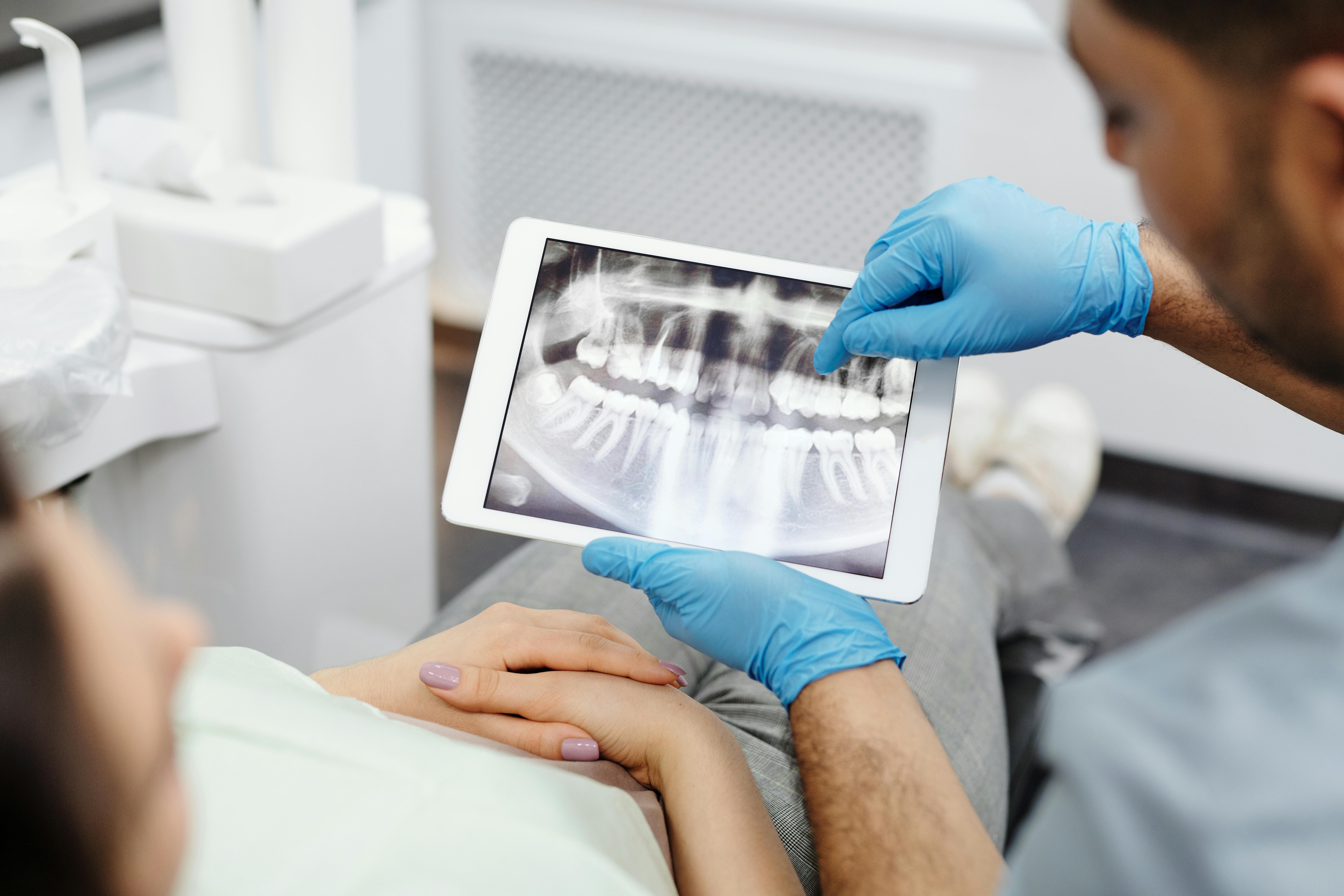
A tooth may look restorable on an X-ray, but once the old filling and decay are removed, more damage may be uncovered. A crack may extend farther than expected. Decay may reach close to the nerve. The margin may sit too deep under the gums for a crown to seal properly without additional treatment. In some cases, a patient planning on “just a crown” finds out they first need a buildup, root canal treatment, or crown lengthening.
This is where judgment matters. Good crown treatment is not just about making a cap that fits. It is about deciding whether the tooth is a strong candidate to keep in the first place, how much healthy structure can be preserved, and whether the final restoration will be maintainable.
The main crown materials and how they differ
Not all crowns are made from the same material, and the differences are significant. Strength, appearance, thickness requirements, wear on opposing teeth, and long-term track record all factor into the decision.
Here are the most common options patients hear about:
- All-porcelain or all-ceramic crowns are chosen for their natural appearance. They can mimic enamel very well and are often used in visible areas. Depending on the specific ceramic, they may be ideal for front teeth and selected back teeth.
- Zirconia crowns are known for high strength and increasing versatility. Earlier versions could look a bit opaque, but newer zirconia materials offer better esthetics than many people realize.
- Porcelain-fused-to-metal crowns, often called PFM crowns, combine a metal base with porcelain layered on top. They have a long history in dentistry, though the metal margin can sometimes become visible at the gumline over time.
- Gold or other metal alloy crowns are less common for cosmetic reasons, but from a functional standpoint they can be excellent, especially on back teeth where durability and conservative tooth reduction matter more than appearance.
A patient with a front tooth visible in every smile may value translucency above all else. A heavy grinder who has already broken natural enamel and prior restorations may need a tougher material and a more cautious bite design. Someone replacing an old crown on a lower molar may choose function over cosmetics and be perfectly happy with that decision.
There is no universal “best crown.” There is only the best crown for a specific tooth in a specific mouth.
Why the location of the tooth changes the recommendation
The same material that looks beautiful on an upper lateral incisor may not be the smartest choice on a lower second molar in a patient who clenches all night. Tooth position changes everything.
Front teeth are exposed to light differently, which means shade matching becomes more demanding. Tiny variations in translucency, contour, and surface texture matter there. The crown cannot simply be white. It has to look alive. Experienced cosmetic dentists and skilled labs spend time on details patients may never consciously notice, but they absolutely perceive when those details are wrong.
Back teeth face a different challenge. They take far greater chewing force. A molar crown has to handle repeated pressure from grinding and side-to-side motion. The anatomy still matters, because a flat crown can feel awkward and affect chewing, but strength and bite harmony often drive the decision more than subtle optical properties.
Premolars sit in the middle of these concerns. They show in the smile more than molars, but they still endure substantial force. That is why treatment recommendations can vary a lot from one office to another. Both may be reasonable if they are based on a solid examination.
Same-day crowns versus lab-made crowns
Los Angeles patients often ask about speed. Busy schedules, travel, work, filming, events, and plain inconvenience make the idea of a same-day crown appealing. In the right case, same-day CAD/CAM dentistry can be efficient and very good. The tooth is prepared, scanned, designed digitally, milled in-office, and placed the same day. That eliminates the temporary crown phase and saves a second visit.
Still, convenience is not the only factor. Some cases benefit from a laboratory-made crown. A skilled dental lab can provide highly refined esthetics, layered ceramics, and custom characterization that may be especially valuable in the front of the mouth or in complex smile cases. Lab support can also be helpful when there are unusual bite relationships, implant restorations, or difficult shade-matching demands.
Neither route is inherently better. Same-day technology works best when the case is suitable for it, the equipment is high quality, and the dentist is experienced in digital design. Lab-made crowns work best when there is strong communication between dentist and technician and enough time is built in to get the details right.
When a crown is not the best answer
Patients are sometimes surprised to hear that the best treatment may not be a crown at all. If the tooth is too compromised below the gumline, has a vertical root fracture, or lacks enough healthy structure for predictable retention, crowning it may only delay the inevitable. A well-made crown cannot rescue a hopeless foundation.
On the other end of the spectrum, some teeth do not need that much treatment. A smaller defect might be better served by an onlay, inlay, or bonded restoration that preserves more natural tooth. In modern dentistry, many clinicians try to avoid full-coverage crowns when a less aggressive option can perform well.
This is one of the more important conversations to have during a consultation. Patients often assume more extensive treatment is automatically stronger or more advanced. It is not that simple. Sometimes the more thoughtful choice is the one that removes less tooth, not more.
The role of the temporary crown
Temporary crowns get very little respect, but they matter more than people think. A good temporary protects Dental Crowns Los Angeles CA the tooth, keeps it from shifting, helps maintain gum shape, and lets the patient test the bite and basic contour before the final restoration arrives.
When a temporary comes off repeatedly, feels rough, or traps food, it can create unnecessary frustration. More importantly, if the tooth shifts or the gums become inflamed, the final crown may not seat as precisely as intended. For that reason, patients should not treat the temporary as disposable just because it is temporary.
There is also useful diagnostic value in the temporary phase. If a patient reports that the temporary feels too bulky, too short, catches during flossing, or alters speech, those details can help fine-tune the final crown. Many excellent final results come from taking temporary feedback seriously.
Costs in Los Angeles and what drives the fee
Fees for Dental Crowns Los Angeles CA can vary widely. That range reflects more than neighborhood pricing. Several factors influence the total cost, including the material used, whether a core buildup is needed, whether digital or traditional impressions are used, the complexity of shade matching, the laboratory involved, and whether the tooth also requires root canal treatment or gum-related procedures.
Insurance can help, but patients should not assume it covers the entire treatment. Many plans contribute only a portion, often based on a set percentage and an annual maximum that has not kept pace with actual dental fees. Some plans also have waiting periods, frequency limitations, or exclusions based on whether the crown is considered medically necessary versus primarily cosmetic.
The practical lesson is simple. Ask for a written breakdown before treatment begins. That should include not just the crown fee, but also any buildup, post, root canal, sedation, or replacement temporary fees if relevant. Financial surprises are one of the easiest ways to turn a straightforward dental experience into a bad one.
How long crowns last, realistically
Patients often ask for a number. Ten years? Fifteen? Twenty? The honest answer is that crowns can last a long time, but they do not come with a universal expiration date. Longevity depends on the starting condition of the tooth, the precision of the fit, the material chosen, the quality of the bite, oral hygiene, diet, and whether the patient grinds or clenches.
In everyday practice, it is common to see crowns doing well beyond a decade. It is also common to replace crowns sooner because decay develops around the margins, the crown cracks, the cement seal fails, or the tooth underneath changes. A beautifully made crown placed on a patient who drinks sugary beverages all day and skips cleanings may fail earlier than an average crown in a healthy, low-risk mouth.
Night grinding is one of the biggest variables. People often underestimate how destructive it can be. I have seen patients crack natural teeth, chip porcelain, loosen implant screws, and wear through guards over time. When grinding is present, a custom night guard is often part of crown protection, not an optional extra.
What recovery feels like after placement
Getting a crown is usually associated with mild recovery, not significant downtime. Most people return to normal activities right away. After the final crown is placed, the tooth may feel a little sensitive to pressure or temperature for a few days. The gum around it can be mildly sore, especially if the margin extends near the tissue or if there was a lot of preparation and retraction during the appointment.
The bite is the most important thing to monitor. Even a crown that is only slightly high can feel “off,” and if left unadjusted it can cause soreness when chewing, muscle tension, or a sense that the tooth is getting hit first every time the mouth closes. Patients sometimes try to wait this out. That is usually a mistake. Minor bite adjustments are routine and can make a dramatic difference.
Patients should also know that flossing around a new crown should feel normal. If floss shreds repeatedly or snaps in a way it did not before, that deserves attention. It may indicate a rough contact area or excess cement that should be corrected.
Signs a crown needs attention
A crown should not be painful long-term, and it should not constantly remind you that it is there. If something feels wrong after the adjustment period, it is worth having it evaluated.
These are common reasons to call the office:
- persistent pain when biting
- sensitivity that worsens rather than improves
- food trapping between teeth after placement
- a feeling that the bite is uneven
- a loose crown or one that has come off
Sometimes the fix is simple, such as polishing a contact, adjusting the bite, or recementing a crown that loosened because of cement failure rather than tooth decay. Other times, the underlying tooth may need additional treatment. Early evaluation generally leads to easier solutions.
How crowns compare with veneers, fillings, and implants
A crown sits in the middle of several other treatment options people commonly compare. It is more extensive than a filling, but less final than removing the tooth and placing an implant. It covers more of the tooth than a veneer and is usually chosen when strength matters as much as appearance.
Fillings work best when enough healthy tooth remains to support them. Veneers work best when the main goal is esthetic refinement on front teeth with relatively sound structure. Implants replace missing teeth, not damaged teeth that can still be saved. Crowns occupy the large, practical territory between those treatments, restoring teeth that are compromised but still worth preserving.
That is why a proper diagnosis matters more than a menu of options. Patients sometimes arrive wanting an implant because they have heard it is permanent, when the existing tooth is actually very salvageable. Others want to avoid a crown at all costs and keep redoing large fillings on a tooth that is already structurally spent. Good dentistry is not just choosing the newest or least expensive option. It is matching treatment to biology.
Choosing a dentist for crown treatment in Los Angeles
Los Angeles offers every type of dental practice, from boutique cosmetic offices to high-volume insurance clinics to specialists who handle complex restorative cases. That range can be helpful, but it also makes it harder for patients to compare recommendations.
A useful consultation goes beyond hearing “you need a crown.” The dentist should be able to explain why the crown is recommended, what alternatives exist, what material makes sense for that specific tooth, and what the risks are if treatment is delayed. You should also get a sense of how the office handles detail. Do they check the bite carefully? Do they discuss grinding habits? Do they talk about margin design, esthetics, temporaries, and how the lab work is managed when appearance is critical?
For highly visible front teeth, asking to see before-and-after cases is reasonable. For back teeth, ask more about durability, bite management, and whether a night guard is recommended if wear is present. Those questions often reveal more about a clinician’s restorative thinking than broad marketing claims ever will.
The bigger picture
A crown is not just a cap placed over a problem. Done well, it is part engineering, part biology, and part craftsmanship. The treatment succeeds when the underlying diagnosis is sound, enough healthy tooth remains, the material suits the job, and the bite is designed with care.
For patients considering Dental Crowns Los Angeles CA, the most useful mindset is not “Which crown is best?” It is “What does this tooth need to stay functional, comfortable, and maintainable for years?” That question leads to better decisions, fewer surprises, and restorations that do what they are supposed to do, disappear into everyday life so completely that you stop thinking about them at all.
Simple Dental Vermont
Address: 8914 S Vermont Ave, Los Angeles, CA 90044
Phone number: +13239493000
FAQ About Dental Crowns Los Angeles CA
How much do crowns cost per tooth?
In the United States, a single dental crown typically costs between $800 and $2,500 per tooth without insurance. The ultimate out-of-pocket price depends heavily on the crown material, the location of the tooth, and whether you have dental insurance coverage.
What is the downside of crowns on teeth?
The primary downside of a dental crown is that the procedure permanently removes natural tooth enamel to shape the tooth for the cap.
Why do dentists push for crowns?
Dentists recommend crowns because a large filling cannot provide enough strength when a tooth loses a major portion of its structure or faces heavy chewing pressure.