Dental Crowns Los Angeles CA: A Long-Lasting Smile Solution
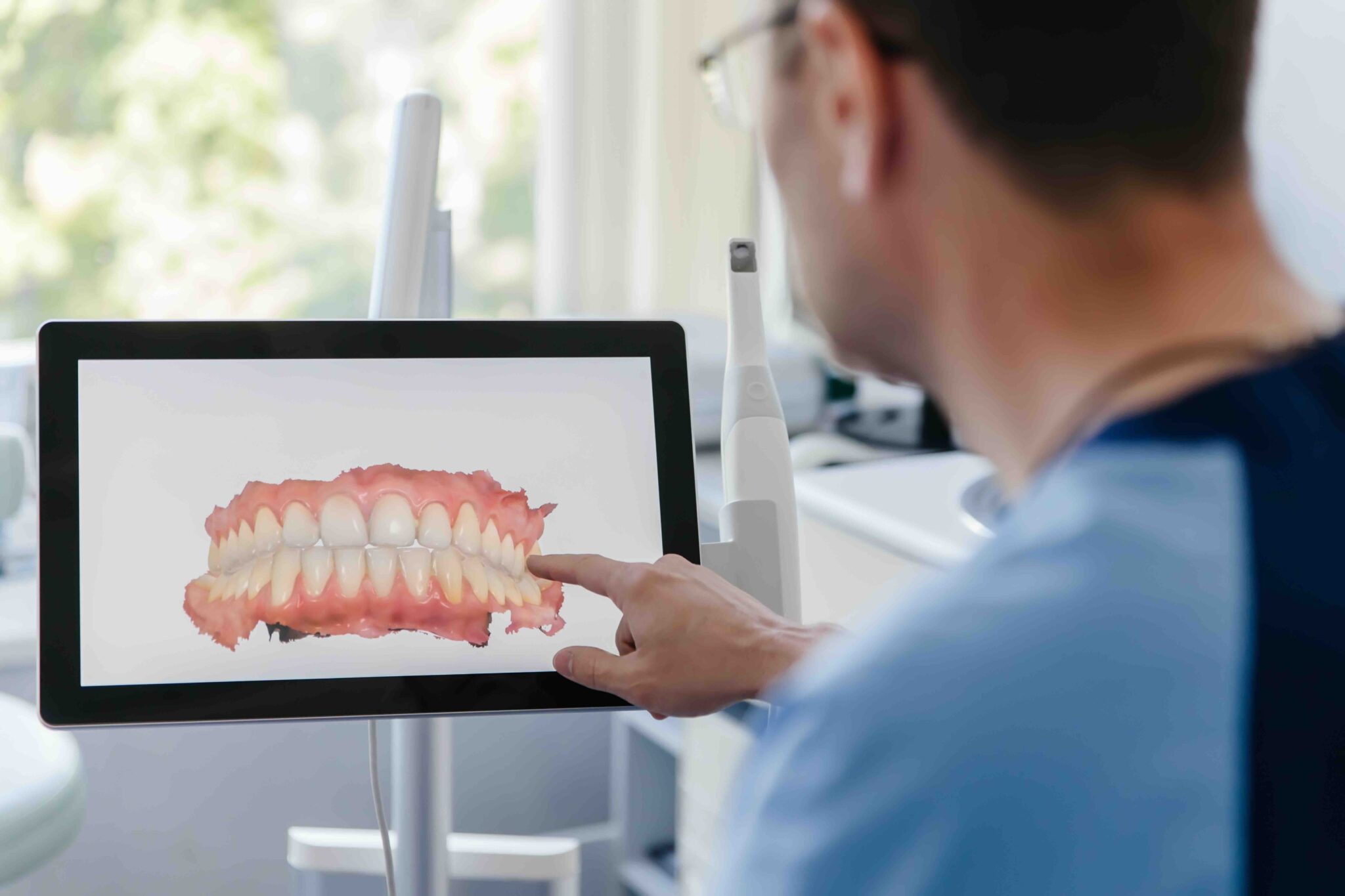

A well-made dental crown can change more than a tooth. It can restore the way someone chews, reduce the low-grade anxiety that comes from avoiding one side of the mouth, and bring back a smile that feels natural instead of carefully managed. In a city like Los Angeles, where appearance matters but daily function matters more, crowns sit at the intersection of cosmetic dentistry and practical repair.
People often arrive at this treatment from very different starting points. One patient may have cracked a molar on an olive pit at dinner in Silver Lake. Another may have an older filling in a back tooth that has been patched so many times there is not enough healthy structure left to trust. Someone else may simply be tired of a front tooth darkening after an old injury. In each of those cases, a crown can be the right answer, but not for the exact same reason. That distinction matters.
When patients search for Dental Crowns Los Angeles CA, they are usually not looking for abstract information. They want to know how crowns work, how long they last, what they cost in real life, whether the procedure hurts, and how to avoid ending up with something bulky, obvious, or short-lived. Those are the right questions to ask.
What a dental crown actually does
A crown is a custom-made covering that fits over a tooth that has been weakened, broken down, root canal treated, or heavily restored. Think of it as a structural shell built to protect what remains of the tooth while restoring its shape, strength, and appearance.
That said, a crown is not a magic reset button. It does not make a damaged tooth brand new, and it cannot compensate for poor planning, bad bite alignment, or untreated gum disease. The best crowns succeed because the foundation is sound. The dentist evaluates the tooth, the surrounding gums, the way the upper and lower teeth meet, and whether the tooth is restorable in the first place. If any of those pieces are skipped, even an attractive crown can fail early.
In practice, crowns are often recommended when a filling would no longer be reliable. A tooth with a large cavity Dental Crowns Los Angeles CA or a very large old filling can flex under pressure. Over time, that flexing creates cracks. On molars, which take the heaviest chewing forces, those cracks can turn into painful fractures quickly. Covering the tooth with a crown distributes force more evenly and helps prevent the remaining walls from splitting.
Why crowns are so common in Los Angeles practices
Los Angeles dental patients tend to be highly informed, appearance-conscious, and busy. That combination has shaped the way dentists approach restorative care. People want durable work, but they also want the result to blend in, especially in visible areas. They are not usually satisfied with a crown that is merely functional if it looks flat, opaque, or too bright next to neighboring teeth.
There is also a practical reality in this city. Diet, stress-related grinding, sports, coffee, acidic drinks, old dental work, and long gaps between appointments all contribute to tooth damage. A surprising number of adults carry old silver fillings from years ago, and those restorations can eventually undermine the remaining tooth structure. It is common to see a tooth that looked stable for a decade suddenly develop a crack line or break at the cusp.
Another factor is timing. Many patients seek treatment only after discomfort starts affecting work, sleep, or eating. By then, a conservative filling may no longer be enough. Crowns often become the middle ground between losing the tooth and trying to preserve it.
When a crown makes sense, and when it does not
A good dentist does not recommend a crown simply because a tooth is imperfect. Some teeth can be repaired with bonded fillings or onlays, which preserve more natural enamel. In fact, preserving tooth structure is almost always the better long-term philosophy when the case allows it.
Crowns make the most sense when the tooth needs full coverage for strength or predictability. That may be after root canal therapy, after a significant fracture, or when decay and old restorations have left thin walls that would likely break if only a filling were placed.
There are also times when a crown is the wrong treatment. If a crack extends too far below the gumline, or if decay has compromised the tooth beyond a restorable point, extraction may be more realistic. Likewise, if the main issue is cosmetic and the tooth is structurally healthy, a veneer or bonding might accomplish the goal with less reduction of natural tooth.
Patients appreciate honesty here. It is better to hear, “You do not need a crown yet,” than to receive more dentistry than necessary.
Common reasons dentists recommend crowns
- A tooth has a large cavity or filling and not enough healthy structure remains for a durable filling.
- A cracked or fractured tooth needs support to prevent the damage from spreading.
- A root canal treated tooth requires protection, especially on a molar or premolar.
- A worn or misshapen tooth needs full coverage to restore bite function and appearance.
- A dental implant needs a crown placed on top to replace a missing tooth.
These categories sound simple, but real cases often overlap. A cracked molar may also have old decay under a filling. A root canal treated tooth may already be discolored. A front tooth needing cosmetic improvement may also have a chip that changes the treatment plan. Good restorative dentistry lives in those details.
Materials matter more than most people realize
Patients often ask, “Which crown is best?” The truthful answer is that the best crown material depends on where the tooth is, how heavy the bite is, how much room there is between teeth, whether the patient grinds, and how important high-level esthetics are in that specific area.
All-ceramic crowns are popular because they can look very natural. On front teeth, that translucency can make a major difference. A well-crafted ceramic crown can reflect light more like natural enamel than older, more opaque materials. That is why patients replacing old crowns on visible teeth often notice an immediate improvement, even if friends cannot identify exactly what changed.
Zirconia crowns are widely used as well, especially in areas where strength is a high priority. They can be an excellent choice for back teeth and for patients with strong chewing forces. The trade-off is that not all zirconia crowns look equally lifelike, particularly in highly visible zones. Material choice should not be made from a marketing brochure alone. It should be based on the tooth’s job.
Porcelain fused to metal crowns still exist and can perform well, but many patients prefer metal-free options when esthetics matter. Older porcelain fused to metal crowns sometimes develop a dark line near the gum over time, especially if the gums recede. That does not make them inherently bad, but it can be a drawback in the smile zone.
Gold and other metal crowns remain some of the most durable restorations in the right setting, particularly for certain back molars. They are kind to opposing teeth and can last a long time. In Los Angeles, however, most patients do not want visible metal unless it is hidden far in the back. Functionally, they still deserve respect.
The crown process, appointment by appointment
Most traditional crowns are completed in two visits, though some offices offer same-day crowns for selected cases. Whether that is appropriate depends on the tooth, the bite, and the complexity of the esthetics.
At the first appointment, the dentist examines the tooth, takes X-rays if needed, and removes decay or failing restorations. The tooth is then reshaped to create room for the crown. If much of the tooth is missing, a core buildup may be placed to rebuild the foundation before the crown is made. Impressions or digital scans are taken, along with shade information, bite records, and sometimes photos. A temporary crown is usually placed while the final one is fabricated.
That temporary matters more than people think. A poorly fitting temporary can irritate the gums, shift the tooth slightly, or make the final fit more difficult. A well-made temporary gives both the patient and dentist a useful preview of shape and function.
At the second visit, the final crown is tried in. The dentist checks the fit at the margins, the contact with neighboring teeth, the bite, and the appearance. This stage should not feel rushed. Small bite discrepancies can create big problems later, especially for grinders. If everything looks and feels right, the crown is cemented or bonded in place, depending on the material and clinical situation.
Same-day crowns can be convenient, and in straightforward cases they can work very well. But convenience should not outrank precision. Some front-tooth cases, complex bites, and multi-tooth esthetic situations still benefit from a skilled lab technician’s hand.
What the procedure feels like
For most patients, getting a crown is less dramatic than they expect. Local anesthetic keeps the tooth numb during preparation. The typical sensation is pressure, vibration, and the awkwardness of keeping the mouth open, not pain.
Afterward, mild soreness around the gums or jaw is common for a day or two. A temporary crown Dental Crowns Los Angeles CA can feel a little different from a natural tooth, and the final crown may take a short adjustment period, especially if the tooth had been broken or heavily filled before. What should not happen is persistent sharp pain when biting, temperature sensitivity that worsens rather than improves, or a bite that feels clearly high after a few days. Those symptoms deserve a prompt adjustment.
One practical point that often gets overlooked is the role of grinding. A technically good crown can become problematic if it is placed in a mouth with untreated bruxism. I have seen patients fracture temporary crowns, loosen permanent crowns, and chip ceramic, not because the dentistry was poor, but because nighttime clenching was intense and no protective night guard was used. The crown was doing its job in a difficult environment.
Cost in Los Angeles, and why prices vary
Fees for dental crowns in Los Angeles can vary widely. Neighborhood, dentist experience, material choice, lab quality, technology used, insurance participation, and case complexity all affect the number. A crown on a straightforward molar is not priced the same way as a front crown requiring custom shading and high-level cosmetic work.
Patients should be cautious about choosing solely on price. The least expensive crown is not a bargain if it has open margins, a poor bite, or an unnatural contour that traps plaque and inflames the gums. At the same time, a high fee alone does not guarantee excellence. The more useful questions are practical. What material is being used? Is a reputable lab involved? Will the dentist evaluate the bite carefully? If the crown feels off, is follow-up included? Those answers say more than a discount ad ever will.
Dental insurance may cover part of the cost when the crown is medically necessary, but policies differ. Waiting periods, annual maximums, and downgrades to less expensive materials are common issues. Patients are often surprised to learn that their plan may reimburse based on a metal crown even if they choose a ceramic one. That is not unusual. It is worth getting a pre-treatment estimate when possible.
A crown’s lifespan depends on more than the crown
People naturally want a number. How long will it last? A reasonable answer is that many crowns last well over a decade, and some last much longer, but lifespan depends heavily on oral hygiene, bite forces, diet, gum health, and the condition of the tooth underneath.
Cement does not make a crown invincible. Decay can still develop at the edge where the crown meets the tooth, especially if plaque accumulates or dry mouth is an issue. Gum recession can expose margins. Clenching can create stress. Chewing ice, opening packages with teeth, or biting hard objects can shorten the life of even strong materials.
What often surprises patients is that the tooth under the crown can become the weak link. If the tooth had very little structure left to begin with, or if a crack was already present, long-term prognosis may be more guarded. That does not mean the crown was the wrong choice. It means dentistry works within biological limits.
Getting the esthetics right, especially on front teeth
Front crowns are a different category. Function still matters, but appearance becomes far less forgiving. Shape, color, translucency, surface texture, and gum response all influence whether the crown disappears into the smile or draws attention.
A front crown that is technically acceptable can still look wrong if it is too opaque, too long, too square, or too bright next to the neighboring teeth. Matching one central incisor is notoriously difficult because the human eye is drawn to symmetry in that area. This is where photography, detailed shade communication, and sometimes a custom lab make a noticeable difference.
Patients in Los Angeles often have understandable esthetic expectations, but there is a balance to strike. The brightest possible shade is not always the most believable. Natural teeth have variation. They are not flat refrigerator white. The best cosmetic crown is usually the one nobody notices.
There is also a tissue component. If the gumline around the tooth is uneven, inflamed, or receding, even a beautiful crown may not look right. Sometimes the surrounding gum health needs attention before finalizing the restoration. Rushing that step can compromise the result.
How to care for a crown so it lasts
Crowns do not require exotic maintenance, but they do require consistency. Daily brushing and flossing remain essential, especially at the gumline where decay and inflammation begin. Patients sometimes become less careful around crowned teeth because they think the ceramic cannot decay. The crown material cannot, but the tooth margin can.
A few habits make a real difference:
- Brush thoroughly at the gumline twice a day with a soft-bristled brush.
- Floss daily and slide the floss gently along the side of the crown rather than snapping it down hard.
- Wear a night guard if you clench or grind, especially after receiving crowns on back teeth.
- Avoid chewing ice, hard candy, or non-food objects such as pen caps.
- Return for exams and cleanings so small bite or gum issues are caught early.
These sound basic, but they are where longevity is won. Many failed crowns do not fail because of dramatic accidents. They fail slowly, through neglect, bite wear, and recurrent decay that builds quietly over time.
Problems that can happen, even with good treatment
No dental work comes with an absolute guarantee. Crowns can loosen, chip, feel high, trap food, irritate the gums, or become sensitive. Most of those issues are manageable when addressed early.
A crown that feels too tall can usually be adjusted. A loose crown may sometimes be recemented if the underlying tooth is healthy and the fit remains sound. Sensitivity may settle after placement, but persistent symptoms require evaluation. Sometimes the issue is the bite. Sometimes a crack has progressed. Occasionally a tooth that seemed stable when crowned later needs root canal treatment. Patients should know that this does happen and does not automatically mean something was done wrong. Teeth can change.
Food trapping between teeth is another common complaint. It may stem from an inadequate contact point, shifting teeth, or gum loss between the teeth. This problem is not trivial. Chronic food impaction can make a technically attractive crown miserable to live with. It should be corrected rather than tolerated.
Choosing a provider for Dental Crowns Los Angeles CA
Los Angeles offers every style of dental office imaginable, from boutique cosmetic studios to long-established family practices. The challenge for patients is not finding a dentist who offers crowns. It is finding one who plans them carefully.
Look for a provider who explains why a crown is being recommended, what alternatives exist, what material makes sense for your case, and what the realistic long-term outlook is. The consultation should cover function, not just appearance. Bite analysis, gum health, and the condition of the underlying tooth all matter. If a dentist cannot clearly explain those factors, that is worth noting.
It also helps to ask practical questions. Will the office use a temporary crown, and what should you do if it comes off? If the final crown does not feel right, how are adjustments handled? For front teeth, how is shade selected? If you grind, will a night guard be discussed? Thoughtful answers usually signal thoughtful treatment.
Some patients benefit from seeing before-and-after cases, especially if esthetics are a priority. Not because photos prove everything, but because they reveal a dentist’s eye for shape, proportion, and natural-looking color. A crown can be technically sound and still look generic. The best work rarely does.
The bigger picture, preserving teeth for the long run
Crowns are not simply about covering damage. They are about preserving a tooth in serviceable condition for as long as biology allows. That is an important distinction. Good restorative dentistry is rarely flashy. More often, it is careful, preventive, and quietly effective.
The patient who replaces a cracked molar crown before the tooth splits further may avoid an extraction. The person who restores a root canal treated premolar with proper coverage may keep it stable for many years. The individual who finally replaces an old dark front crown with a better-fitting ceramic restoration may regain not just appearance, but comfort while smiling and speaking.
That is why Dental Crowns Los Angeles CA remains such a relevant search. Crowns solve real problems. They restore strength where a tooth has been compromised, they support daily function, and when done well, they blend into the smile so completely that people stop thinking about the tooth at all. For many patients, that is the best outcome possible, a restoration that disappears into normal life while doing its job every day.
Simple Dental Vermont
Address: 8914 S Vermont Ave, Los Angeles, CA 90044
Phone number: +13239493000
FAQ About Dental Crowns Los Angeles CA
How much do crowns cost per tooth?
In the United States, a single dental crown typically costs between $800 and $2,500 per tooth without insurance. The ultimate out-of-pocket price depends heavily on the crown material, the location of the tooth, and whether you have dental insurance coverage.
What is the downside of crowns on teeth?
The primary downside of a dental crown is that the procedure permanently removes natural tooth enamel to shape the tooth for the cap.
Why do dentists push for crowns?
Dentists recommend crowns because a large filling cannot provide enough strength when a tooth loses a major portion of its structure or faces heavy chewing pressure.