Can an Emergency Dentist Fix a Broken Smile the Same Day?
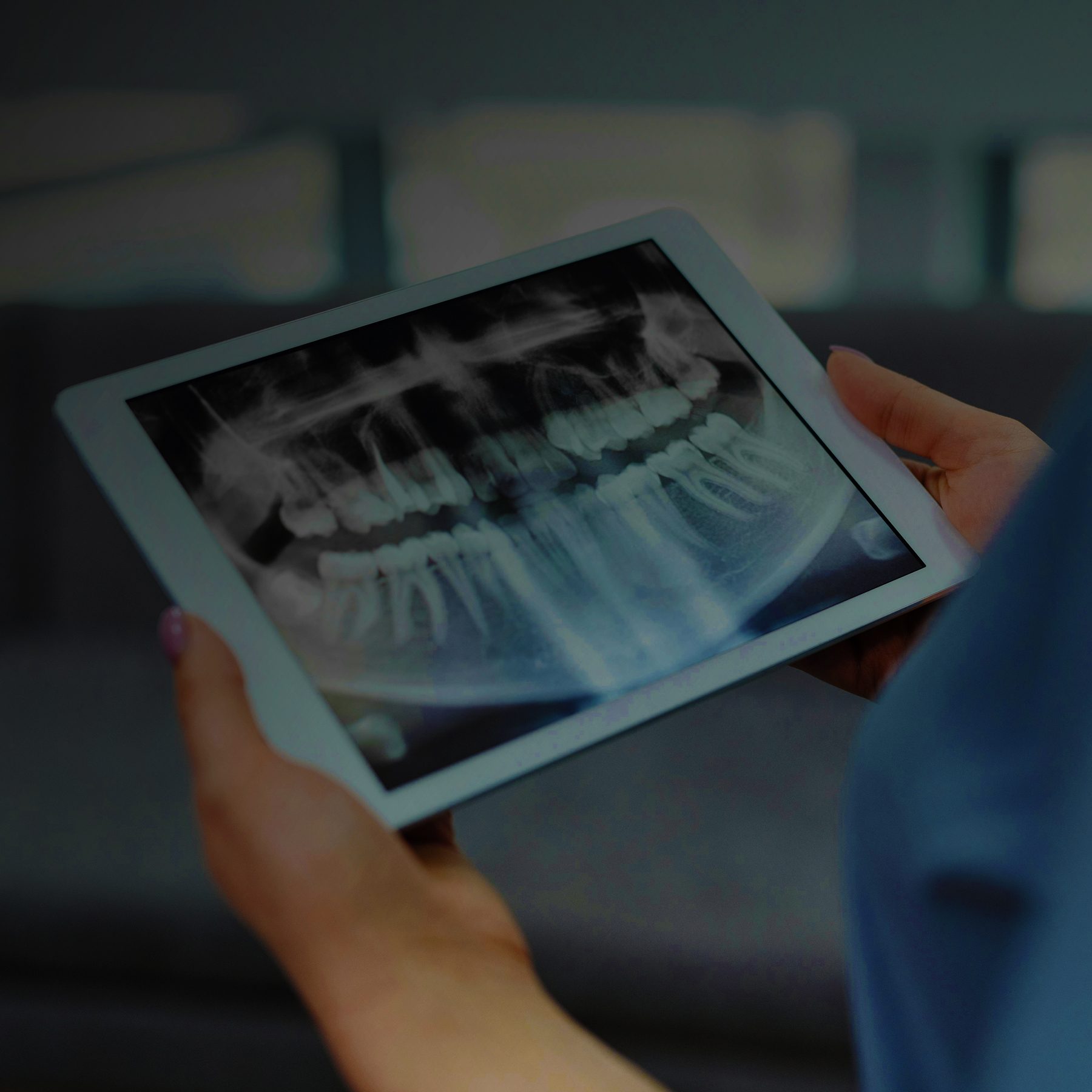

A broken smile can mean very different things depending on what happened. Sometimes it is a small chip on a front tooth that catches the light in an annoying way. Sometimes it is a cracked crown before a wedding, a front tooth knocked loose in a weekend basketball game, or a bridge that fails in the middle of a workday. Patients often ask the same thing, no matter the cause: can this be fixed today?
The practical answer is yes, often, but not always in the way people imagine. A same-day repair is common for many dental emergencies, especially when the goal is to restore appearance, stop pain, and protect the tooth. A same-day permanent solution is possible in some cases, but not all. The difference matters, and it is where an experienced emergency dentist earns trust.
If you are searching for an Emergency Dentist because a tooth suddenly broke, the first priority is not cosmetic perfection. It is stabilization. A skilled dentist assesses what is salvageable, what must be protected immediately, and what can safely wait a few days. In a busy city, an Emergency Dentist Los Angeles CA may see everything from veneer fractures after red-eye flights to sports injuries, bike crashes, and late-night crown failures after sticky candy. The pattern is familiar: fast triage, clear decisions, then the best realistic repair for that day.
What “same-day fix” actually means
Patients hear “same-day” and often picture walking in with a broken tooth and leaving with a flawless permanent restoration that looks like nothing ever happened. That does happen sometimes. If the problem is limited and the tooth structure is otherwise healthy, a dentist may smooth a chip, place a bonded composite repair, re-cement a crown, or stabilize a loose tooth in a single visit.
But same-day treatment can also mean something more strategic. The dentist may stop the pain, cover exposed dentin, protect the nerve, rebuild enough shape to restore your smile, and schedule a second visit for the final crown or veneer once the tooth has settled. That still counts as meaningful emergency care. In fact, it is often the right care.
There is a tendency to think of emergency dentistry as “quick and temporary” and comprehensive dentistry as “slow and proper.” Real practice is not that neat. Many same-day treatments are durable and esthetic. Many delayed treatments are delayed for good reasons, such as swelling, uncertainty about the pulp, or the need for a dental lab to fabricate a precise ceramic restoration. Good emergency care balances speed with judgment.
The dentist’s first question is not “How do we make it look better?”
It is usually, “Is the tooth alive, stable, and restorable?”
That question drives everything. A clean chip on the edge of an incisor is a very different problem from a vertical crack extending below the gumline. Both can look dramatic in the mirror. Only one may be predictably repaired.
When someone arrives with a broken smile, an emergency dentist is looking for a few critical details. Is the fracture limited to enamel, or does it reach dentin or pulp? Is the tooth mobile? Is there tenderness to biting that suggests a crack deeper than what is visible? Is there bleeding from the gum sulcus, which can hint at root involvement? Was there trauma to surrounding teeth that have not yet become symptomatic? Has a restoration broken, or has the tooth underneath failed?
Those details can change the treatment from a simple bonding appointment to splinting, root canal therapy, extraction, or referral to a specialist. This is why a quick visual glance is not enough. X-rays are often necessary, and sometimes more than one angle. In trauma cases, photographs and bite checks help too.
When a broken smile can usually be repaired the same day
The best candidates for same-day treatment are the ones people tend to notice first in the mirror: visible chips, broken edges, lost bonding, and dislodged crowns on front teeth. These are common, and many are surprisingly manageable.
A minor to moderate chip in a front tooth is often repaired with tooth-colored composite bonding. In experienced hands, bonding can be elegant work. Shade matching matters, but so do translucency, surface texture, and line angles. A front tooth that is merely “filled” can still look off. A front tooth that is sculpted properly disappears into the smile. This is one reason patients are often relieved after treatment. They come in worried they will need a crown, and they leave with a conservative repair that blends well.
A crown that pops off can often be re-cemented the same day if the crown is intact and the tooth beneath it is sound. The catch is that crowns rarely fall off for no reason. Cement can wash out over time, yes, but recurrent decay, a fractured core, or a change in the way the bite hits the crown is common. If the crown fits well and the tooth can be cleaned and isolated, re-cementation is straightforward. If the underlying tooth is compromised, the visit may turn into a temporary recementation, a build-up, or a new treatment plan altogether.
Broken fillings are another frequent same-day fix. If enough healthy tooth remains and the area can be kept dry, the dentist can usually replace the restoration during the emergency visit. This is especially helpful when the broken filling leaves a rough edge, food trap, or sensitivity to cold.
Detached veneers occupy a middle ground. If the veneer itself is intact and available, re-bonding may be possible. If it fractured, the dentist may place a provisional restoration or use composite as a temporary esthetic solution until a new veneer can be made.
Even a slightly loosened front tooth can sometimes be managed the same day with repositioning and splinting, especially after a recent impact. That does not mean the case is over. The tooth still needs follow-up, vitality testing, and monitoring for nerve changes. But the immediate crisis can often be handled in one visit.
What usually cannot be permanently fixed in a single visit
Not every broken smile is a same-day permanent fix, and pretending otherwise does patients no favor.
Deep fractures that extend below the gumline are harder. The visible break may be only part of the story. If the tooth cannot hold a restoration because the fracture is too far down or wraps around the root, the long-term outlook changes. A dentist may still be able to place a temporary cover, smooth sharp edges, or create an esthetic provisional so you do not leave feeling self-conscious. But the final answer may involve crown lengthening, orthodontic extrusion, or extraction and replacement.
Teeth with pulp exposure are another category. If the nerve is involved, pain control and protection can happen that day, but definitive treatment may require root canal therapy followed by a crown. In some offices, root canal treatment can be started or completed on the same day. In others, especially if a specialist is needed, the emergency visit focuses on diagnosis, medication if appropriate, and sealing the tooth.
Complex crown and bridge failures also tend to outgrow the “one and done” model. A bridge that breaks may reflect stress, decay on an abutment, or a failing support tooth. It can sometimes be stabilized temporarily, but a proper remake takes planning and lab work.
Knocked-out teeth are the clearest reminder that same-day care is not the same as guaranteed rescue. If a permanent tooth is avulsed and re-implanted quickly, a dentist may place it back and splint it the same day. That is excellent emergency care. It still does not guarantee the tooth will survive long term.
Timing matters more than most people realize
In dental emergencies, hours matter. A chip that seems cosmetic can dry out, stain, or become more sensitive if left open. A cracked tooth can worsen under chewing forces. A loose tooth after trauma is more treatable when seen early. A crown that falls off exposes the prepared tooth to temperature and bacterial irritation, and the opposing teeth can drift surprisingly quickly.
One of the most useful habits is to call right away, even if the damage looks small. Reception teams in emergency practices are usually good at identifying what sounds urgent. If there is swelling, significant pain, bleeding that does not stop, trauma to the face, or a tooth that has moved, you want to be seen promptly.
For patients in a large metro area, searching specifically for an Emergency Dentist Los Angeles CA can make sense because access and timing often determine the outcome. A same-day appointment in the right office can be the difference between a simple re-bond and a more involved restoration a week later.
What to do before you get to the office
The first few minutes after a dental injury often shape the day’s options. Most people are flustered, embarrassed, or in pain, which is understandable. A few simple steps can preserve more treatment choices.
Simple Dental Vermont Emergency Dentist Los Angeles CA- Rinse your mouth gently with water to clear debris and check for bleeding.
- Save any broken tooth fragment, crown, veneer, or filling if you can find it.
- If there is swelling, use a cold compress on the outside of the face in short intervals.
- If a tooth has been knocked out, hold it by the crown, not the root, and keep it moist in milk or saliva while you seek immediate care.
- Avoid chewing on the damaged side, especially hard or sticky foods.
Those steps do not replace treatment, but they buy time and reduce the chance of making a repair more difficult.
Materials make a difference, but judgment matters more
Patients sometimes ask whether modern technology means every emergency can be fixed on the spot. Chairside scanners, digital imaging, and in-office milling have improved what is possible in one visit. Some practices can design and mill a ceramic crown the same day. That is a genuine advantage in the right case.
Still, technology does not erase biology. If the gum tissue is bleeding heavily, the margin is subgingival, the tooth is structurally weak, or the bite is unstable, a same-day ceramic restoration may not be the best call. A well-made provisional and a carefully sequenced plan can produce a better result than forcing a final crown into a difficult situation.
Composite bonding deserves special mention here. For visible anterior teeth, it is one of the most useful same-day tools in emergency care. It is conservative, repairable, and relatively quick. It also requires an eye for anatomy. The best emergency cosmetic repairs are not just about filling a space. They recreate the way the tooth catches light. Incisal edge position, tiny asymmetries, and the transition between glossy and matte surfaces all matter. Patients may not know why one repair looks natural and another looks flat, but they can tell.
The hidden issue: trauma rarely affects only one tooth
A patient may point to one broken front tooth, but impact injuries often involve neighboring teeth that look fine at first. A tooth can suffer bruising to the ligament or blood supply without showing immediate visible damage. Days later it becomes sore, discolored, or Emergency Dentist Los Angeles CA non-vital.
This is why careful follow-up matters after same-day treatment. An emergency repair solves the urgent problem, but trauma cases often need reevaluation. Bite changes, pulp testing, and repeat imaging may be indicated. This is not over-cautious medicine. It is routine good care. The “fixed smile” in the mirror may be only part of the story.
I have seen patients feel frustrated by this. They leave happy with the esthetic result, then wonder why they need another check in a few weeks. The answer is simple. Teeth respond to trauma over time, not just on the day of injury.
Pain changes the treatment plan
If the broken smile is painful, same-day priorities shift. A patient who cannot tolerate cold air on a fractured incisor may not care whether the edge is perfectly polished. They want the pain to stop. Exposed dentin and pulp demand immediate sealing and stabilization. Sometimes that means a quick bonded build-up. Sometimes it means pulpal treatment before esthetics.
This is where honest communication helps. The dentist should explain whether the tooth is likely to settle after protection or whether the symptoms suggest deeper involvement. Not every throbbing tooth needs extraction, and not every calm-looking fracture is benign. Pain is one clue, not the whole diagnosis.
What same-day emergency treatment often looks like in real life
A realistic emergency visit usually follows a sequence, though not in a rigid way. First comes diagnosis, because guessing is how teeth get overtreated or undertreated. Then comes immediate protection, pain relief, and restoration of function or appearance as far as safely possible. After that, the dentist decides whether the result is definitive or provisional.
Take a common scenario: a patient chips a front tooth on a coffee mug before an important meeting. If the chip is limited to enamel and dentin, the dentist may numb lightly or not at all, refine the edge, etch and bond the tooth, layer composite, shape it to match the adjacent incisor, and polish it to a natural sheen. The whole appointment may take under an hour.
Now take a more difficult version. The same patient fell and now the tooth is chipped, tender, and slightly mobile. X-rays are taken, adjacent teeth are tested, the bite is checked, and the tooth may be splinted if needed. A bonded repair may still be completed that day, but the dentist also explains the need for follow-up because trauma may affect the nerve later. Same day, yes. Simple, no.
Or consider a crown that came off before a family event. If the crown is intact and the fit remains good, it may be cleaned and re-cemented in a short visit. If there is decay under the crown or not enough tooth left to hold it securely, the patient may leave with a carefully shaped temporary and a plan for a new crown. Esthetically, the smile is restored that day. Definitively, the work is still in progress.
When extraction enters the conversation
No one wants to hear that a broken smile may involve losing a tooth, especially a front tooth. But there are situations where extraction is the most predictable option. Root fractures, non-restorable vertical cracks, severe subgingival damage, and catastrophic decay under a failed restoration can make heroic repair a poor investment.
A good emergency dentist does not rush to extract, but also does not promise miracles where the prognosis is poor. What matters in these moments is whether the office can offer an immediate esthetic plan. Often it can. A temporary partial, flipper, bonded provisional, or immediate implant discussion may be part of the conversation depending on the case and the patient’s health.
The emotional side matters here. Front tooth emergencies can feel surprisingly personal. Patients cover their mouths when they speak. They cancel meetings. They panic about photographs. An experienced Emergency Dentist understands that restoring dignity is part of treatment, not vanity.
Questions worth asking during the visit
If you are in the chair and trying to make decisions quickly, a few practical questions can cut through the stress.
- Is today’s repair intended to be temporary or permanent?
- Is the nerve likely affected, and what signs should I watch for?
- Will this tooth probably need a crown, veneer, or root canal later?
- How should I eat, clean, and protect the area over the next few days?
- When do you want to recheck it?
Those questions help you leave with a realistic picture instead of just a receipt and a polished tooth.
Cost, appearance, and durability do not always line up neatly
Same-day fixes vary widely in cost and longevity. A simple smoothing of a chipped edge may be modest. A front tooth bonding repair is usually more involved, especially if esthetics matter. Re-cementing an existing crown is different from replacing a failed crown. Splinting trauma cases and starting endodontic treatment add complexity.
Patients often assume the fastest fix is the cheapest and the least durable. That is not always true. Bonding on a small front tooth chip can last years if the bite is favorable and the patient avoids bad habits like nail biting or chewing ice. On the other hand, a rushed “cheap” repair in a high-stress bite can pop off quickly.
Durability depends on several factors: how much tooth remains, where the break is, whether the patient grinds, whether isolation during bonding was excellent, and whether the final contours support the bite rather than fight it. This is why treatment that sounds similar on paper can have very different outcomes.
The best same-day result is often the most conservative one
There is a temptation in emergency care to jump straight to big dentistry because the damage feels dramatic. Yet some of the best outcomes come from restraint. A tooth that can be repaired with bonding should not automatically be crowned. A crown that can be re-cemented should not be replaced without reason. A traumatized tooth should not be pushed into permanent treatment before the diagnosis is clear.
At the same time, conservative does not mean timid. If the tooth needs stabilization, splinting, pulpal protection, or a firm recommendation for extraction, that should be said plainly. The art is in knowing when to act fast and when not to overreach.
For many patients, the answer to the title question is reassuring: yes, an emergency dentist can often fix a broken smile the same day, at least enough to restore appearance, comfort, and confidence. In the right case, that fix is also the final one. In more complex cases, the same-day visit is the bridge between damage and a durable long-term result. Either way, prompt care matters, and the quality of the first decision often matters more than the speed of the second appointment.
Simple Dental Vermont
Address: 8914 S Vermont Ave, Los Angeles, CA 90044
Phone number: +13239493000
FAQ About Emergency Dentist Los Angeles CA
What can the ER do for a tooth?
The emergency room can provide temporary symptom relief for a bad tooth, such as prescribing pain medicine or antibiotics, but it cannot fix the actual dental problem.
What is the 3-3-3 rule for tooth infection?
The 3-3-3 rule for a toothache or infection typically means taking three 200 mg ibuprofen tablets (600 mg total) three times a day for no more than three days to control pain and swelling while waiting to see a dentist.
What do you do if you have a dental emergency but no dentist?
If you have a dental emergency and no regular dentist, you should search for an urgent care dental clinic, call local walk-in dental offices, or go to a hospital emergency room if you have severe bleeding, swelling, or trouble breathing.